_2026@2x.png?width=50&height=50&name=TPRC-Signet-(Deep)_2026@2x.png "TPRC-Signet-(Deep)_2026@2x")
_2026@2x.png?width=50&height=50&name=TPRC-Signet-(Pebble)_2026@2x.png)

-(Test).jpg?length=400&name=TPRC-Peoples-(Home12)-(Test).jpg)
_web.jpg?length=700&name=a-c-Tt0hWd7M7fg-unsplash%20(1)_web.jpg)

The point is not philosophical. It is practical. When you look at what an organization actually does every day, you find people making decisions, having conversations, adapting to new information, and deciding what to try next. Everything else, the strategy, the technology, the operating model, is the context in which that happens.

Artificial intelligence makes this clearer rather than less so. AI is the condensed output of human knowledge and experience, encoded into a tool that accelerates what people can achieve. It does not replace human judgment. It raises the bar for what human judgment has to deliver. The best AI in the world is only as useful as the people working with it.
If you are leading significant change, you already know this. A private equity partner weighing an acquisition knows the deal will be made or broken by the people inside it. A transformation leader watching a rollout slow down knows the technology is working and something else is not. A founder scaling a company knows which conversations are going well and which are going quiet, and that the difference matters more than any single business decision. The people carrying the change are the variable that decides.
So in a way, everything is people. And organizations have measured people for decades, through 360s, competency frameworks, performance reviews, engagement surveys. What those instruments do well is describe how people perform today, inside the roles they already know. What they struggle to answer is the question that matters most when an organization is changing: whether a team can actually meet the demands being placed on it when what has worked before stops working, and something new is asked. That capability has a name.
It is called people readiness.
Who we are, and what we do.
The People Readiness company.
Most firms that touch this space do adjacent work. Strategy. Leadership development. Learning platforms. Change management. All of it useful, none of it aimed at the variable that determines whether any of those investments deliver.
We were built to name that variable, measure it, and change it. The readiness framework is the result of fifteen years of direct observation watching technology rollouts, ownership transitions, and strategic pivots succeed or fall short. It has been tested across two continents and two decades of client work, from technology companies to higher education, from ten-person teams to organizations of five hundred and more.
What we measure.
Whether a team is in a position to meet the demands of significant change, and how that position is shifting over time.
What
we build.
How we stay close to work.
Who we
work with.
This is Everyone at The People Readiness Company.




Dr. Kai HaackAdvisor
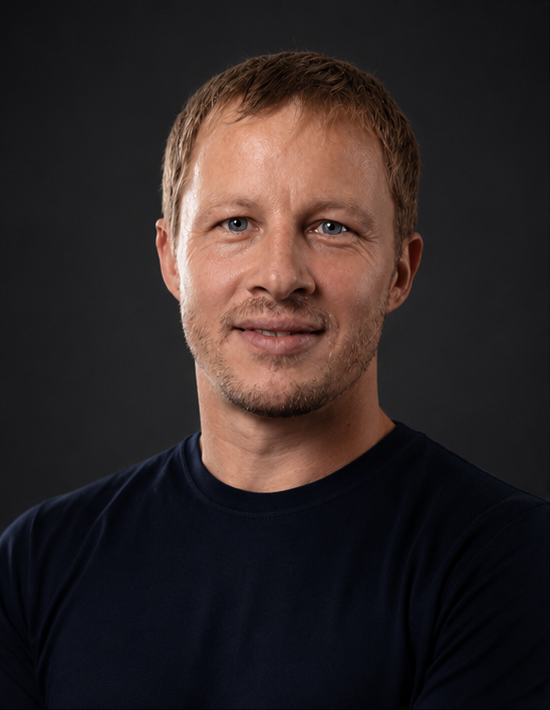
Morten JørgensenBoard of Directors
Frequently Asked Questions.
It started with pen and paper inside real teams navigating real change. Hundreds of use cases over several years. The scoring model, the four dimensions, the three layers. All of it was built from observed behavior, not theory. The technology came later to scale what already worked.
We measure, develop, and track people readiness inside organizations. A structured diagnostic at baseline. Targeted development over 90 days. A reassessment to show what shifted. The work is precise, data-driven, and designed to repeat as long as the organization needs it.
People who have worked inside the problem, not around it. Everyone you speak with works in the field and stays with you through the engagement. There is no sales team. There are no handoffs.
We do not use AI to interpret, rewrite, or summarize what individuals share. What someone writes stays theirs. Machine learning runs behind the scenes to surface patterns and improve the experience. No shortcuts. No content tampering.
Individual readiness profiles are visible only to the individual. Leadership sees team and organizational views. We do not sell data, share it, or expose it. All insights shared with leadership are aggregated and anonymized. Industry-standard encryption and strict access policies apply throughout.
Subscribe to our newsletter.
Thirty minutes. We listen to what is happening in your company, place it against the readiness framework, and tell you what a diagnostic would surface.
.jpg?width=700&name=fellipe-ditadi-RPcX5545QfI-unsplash%20(2).jpg)